By: Jenna Cowie
Stretching between New Brunswick and Nova Scotia, the Chignecto Isthmus looks, at first glance, like just another patchwork of forest, wetlands, and rural communities. But ecologists and land stewards know better: this narrow band of land is one of the most strategic ecological corridors in Canada. It is the only living bridge connecting mainland Nova Scotia and its wildlife to the rest of the continent.
At the head of the Bay of Fundy lies the Chignecto Isthmus, only 21 km wide at its narrowest point, where forests and wetlands weave together to form a critical corridor linking habitats, sustaining wildlife, and supporting the region’s ecological health. Wildlife—including Canada lynx, bobcat, moose, black bear, and migratory birds—use this corridor to move between habitats, maintain genetic diversity, and disperse across the landscape. Wetlands provide nurseries for amphibians and waterfowl while improving water quality. Equally, forests store carbon, regulate water flow, and bolster resilience for both nature and nearby communities. Together, these ecosystems sustain the rich diversity of life that depends on the Isthmus and support the health of the broader region.
Yet the corridor is under mounting pressure: land conversion, transportation infrastructure, climate change impacts, and habitat fragmentation all threaten this essential ecological link. Without coordinated action, the Chignecto Isthmus risks becoming a pinch point too narrow for wildlife to safely navigate.
That is why Fundy Biosphere Region, with support from Parks Canada’s National Program for Ecological Corridors, have partnered with other regional organizations to help introduce Connecting Chignecto — an ecological corridor project to protect, enhance, and understand this critical landscape.
Why Connectivity Matters
Ecological connectivity is the lifeline of a healthy landscape. It is the thread that links protected areas, forests, wetlands, and waterways, allowing animals to explore the landscape safely, locate food, care for their young, and mingle with other populations—ensuring that species remain healthy, adaptable, and genetically diverse for generations to come. Without these connections, habitats become isolated islands, populations shrink, and species face a higher risk of local extinction.
On the Chignecto Isthmus, connectivity is especially critical. This narrow stretch of land is the only viable link between mainland Nova Scotia and the broader continent for many species. When movement is restricted—by roads, development, or fragmented habitats—wildlife face barriers that can lead to collisions, reduced access to food and shelter, and force breeding within small, isolated groups that can weaken populations over time. Similarly, plants and aquatic species depend on connected ecosystems to disperse, adapt, and recover from environmental changes.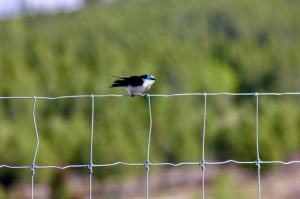
Connectivity is not guaranteed. Human activities such as urban expansion, transportation infrastructure, and resource extraction can disrupt the continuity of forests and wetlands. Climate change adds further pressure, altering habitats, shifting species ranges, and increasing the frequency of extreme weather events. Even seemingly small gaps in the landscape can become “pinch points” that reduce movement and threaten the survival of wide-ranging species.
Maintaining connectivity is about more than protecting individual patches of habitat—it is about sustaining a network of linked ecosystems that function as a whole. By safeguarding corridors, restoring disrupted habitats, and strategically managing land use, we can ensure that species can move, populations can remain healthy, and ecosystems can continue to provide the services that people rely on, from clean water to climate regulation.
A Landscape Shaped by Movement, Stewardship, and Connection
The story of Chignecto is one of movement — of wildlife, water, people, and culture. Long before modern borders, the Isthmus served as a natural travel route connecting regions, ecosystems, and communities. Today, this legacy is reflected in a landscape that stretches from Sa’qewiilnuwey Awti (Big Salmon River IPCA) — a place rooted in Mi’kmaq stewardship and cultural responsibility — to the protected forests and wetlands of the Chignecto Isthmus Wilderness Area. The Chignecto Isthmus lies within the traditional Siknikt District on the unceded lands and waters of the Mi’kmaq. Skinikt is a Mi’kmaq term meaning “drainage place”. This landscape was shaped not only by movement, but by centuries of human stewardship, cultural practices and enduring connection to land and water.
For generations, these lands have sustained life: supporting harvest, travel, settlement, and ecological abundance. That history matters. These ecological, cultural, and social dimensions make the Chignecto Isthmus a landscape of both significance and responsibility. Its forests and wetlands sustain wildlife, its waterways and landforms connect species and communities, and its history reflects generations of stewardship and human connection to the land. Protecting and enhancing this corridor is not just about individual habitats — it’s about maintaining an interconnected system that supports biodiversity, honors cultural heritage, and strengthens resilient communities. This understanding lays the foundation for Connecting Chignecto, guiding the collaborative actions, research, and stewardship efforts aimed at keeping the Isthmus a thriving corridor for both nature and people.
Turning Knowledge into Action Across the Corridor
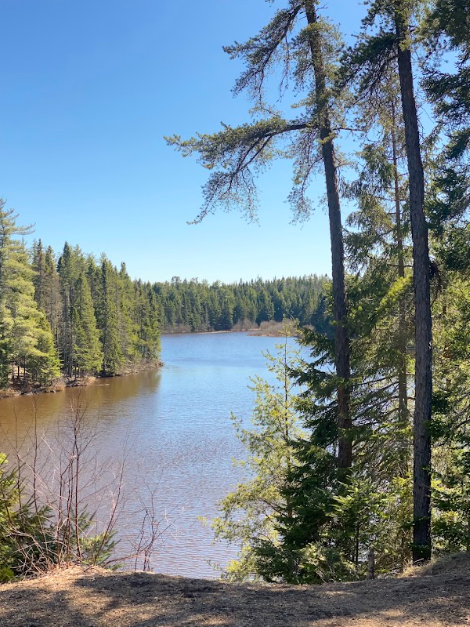
The Chignecto Isthmus is home to a mosaic of ecosystems: tidal salt marshes along the Bay of Fundy, freshwater wetlands, deciduous and mixed Acadian forests, and small rivers and streams that feed both biodiversity and human communities. Connecting Chignecto focuses on listening, learning, and acting thoughtfully across the landscape. Rather than treating conservation as a series of isolated projects, the initiative looks at the corridor as a living system — one shaped by forests and wetlands, roads and communities, policies and partnerships.
On the ground, this means working directly with municipalities, Indigenous partners, landowners, park managers, and community groups to understand where wildlife movement is strongest, where it is constrained, and where small, well-placed actions could make a meaningful difference. Conversations are just as important as data: local knowledge helps identify priority areas for stewardship, restoration, and long-term protection.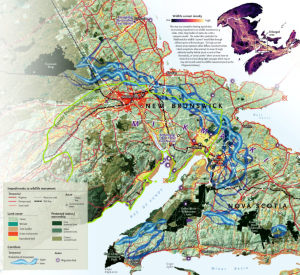
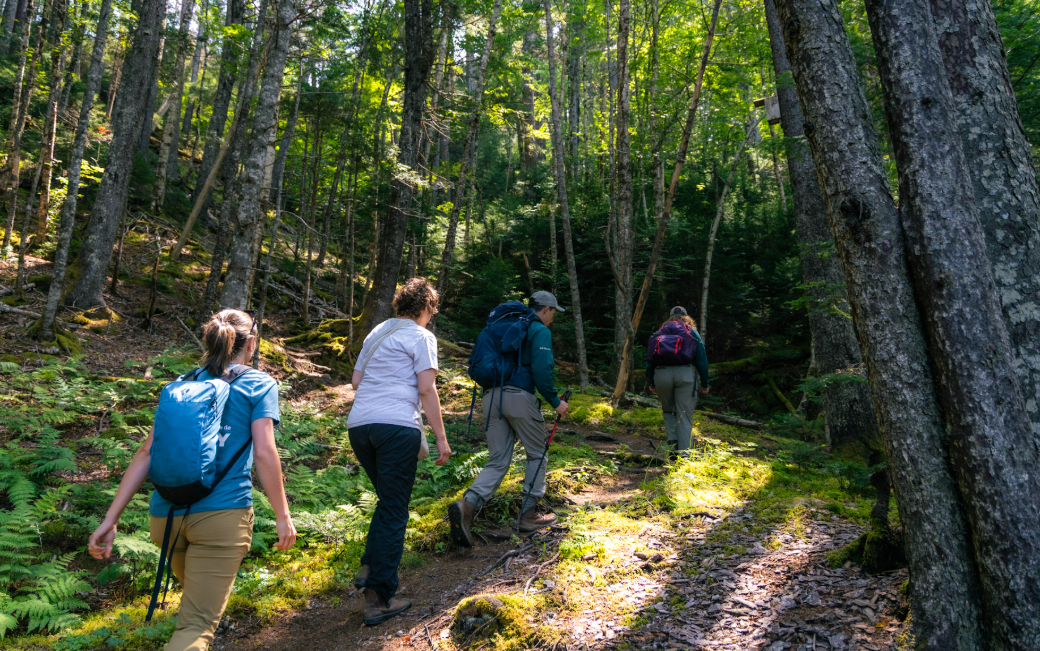
At the same time, fieldwork across the corridor is helping build a detailed understanding of how the landscape functions and where it is most vital for both wildlife and people. Forest carbon inventories and wetland assessments highlight areas that store carbon, regulate water, and support resilient habitats under changing climate conditions. Camera surveys and wildlife monitoring identify movement patterns, high-use areas, and zones of increased mortalities. Mapping efforts pinpoint potential pinch points, restoration opportunities, and key linkages that maintain connectivity. Engaging with landowners, municipalities, and Indigenous partners provides local knowledge that informs stewardship priorities and practical conservation actions.
This blend of science, partnership, and place-based knowledge ensures that future decisions are guided by evidence and values alike. It shifts connectivity from an abstract concept to something tangible: places that can be protected, improved, or better managed to keep the landscape connected.
Image credits: Data credits: Base data: CANVEC 1:50 000, Natural Resources Canada, 2019. Open government license – Canada 2.0. Terrestrial corridor: Generalized from a wildlife connectivity analysis for the Chignecto Isthmus Region Final Report to the Habitat Conservation Fund, Nova Scotia, FIgure 3, Nature Conservancy Canada, 2016.
Explore the above map further at the Rights of Passage Canadian Geographic website.
Looking Ahead
Ultimately, a well-connected Chignecto Isthmus strengthens both biodiversity and human resilience. By investing in forests, wetlands, and natural passageways, we are not only helping wildlife navigate a changing climate but also enhancing the quality of life, cultural heritage, and long-term sustainability for the communities that call this unique landscape home.
By March 2026, Connecting Chignecto will deliver actionable data, strengthened partnerships, and a roadmap for maintaining and improving ecological connectivity across the isthmus. This is an essential step toward ensuring that wildlife can move freely, ecosystems can function naturally, and communities can adapt to a changing climate.
This work is possible thanks to funding support from Parks Canada’s National Program for Ecological Corridors and NB Wildlife Trust Fund and through the collaboration of many organizations working together for the future of the Fundy region.
The Chignecto Isthmus has always been a landscape of movement. With thoughtful, coordinated stewardship, it can remain that way for generations to come.