From Tree to Table: Sustainability and Stewardship at Fundy Maple
By: Fundy Biosphere Region
A Sweet Tradition in the Wabanaki–Acadian Forest
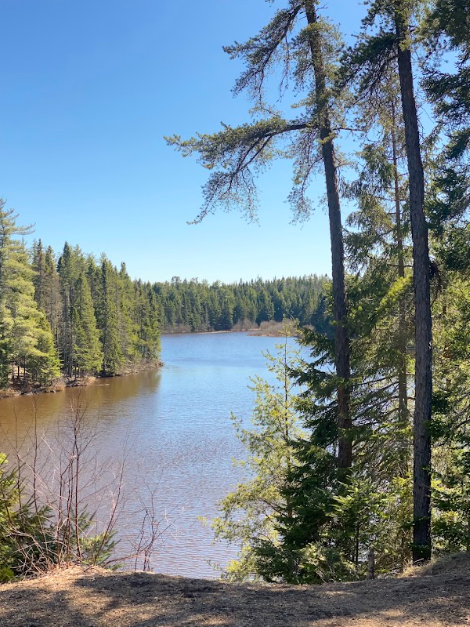
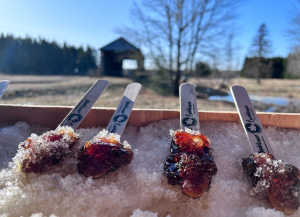
In 2023, Fundy Biosphere Region assumed management and operations of Moncton’s Maple Sugar Camp, rebranding it as Fundy Maple. Located beside the Turtle Creek Reservoir, the site spans 40 acres of healthy maple forest within the Wabanaki–Acadian Forest.
Fundy Maple is part of our Forests of the Future program, supporting biodiversity conservation through climate-resilient practices and responsible forest management. By balancing ecological integrity with economic opportunity, the project contributes to long-term environmental sustainability in the region.
Behind the Scenes
While maple season runs from March to April, the work of managing the sugar bush happens year-round. Beyond syrup production, this forest is a living ecosystem that supports wildlife and delivers essential ecosystem services such as water filtration, soil stabilization, and carbon storage.
Our forestry team actively manages the sugar bush using sustainable practices like selective thinning, habitat protection, and ongoing maintenance of infrastructure. These efforts help maintain tree health, encourage regeneration, and ensure the forest continues to thrive under changing climate conditions.
This work is further strengthened through collaboration with students from the University of New Brunswick’s Forestry & Environmental Management program, who have developed a comprehensive sugar bush forest management plan. Their work supports ongoing decision-making by identifying opportunities to enhance forest health, protect biodiversity, and sustain ecosystem services over the long term.
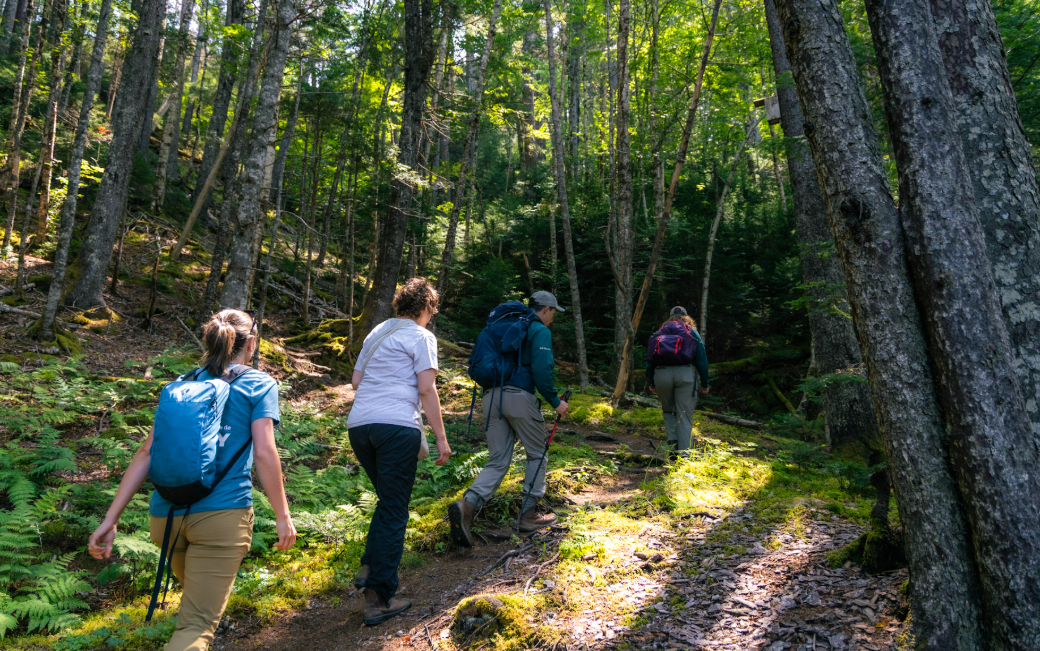
During the season, visitors can experience this work firsthand. Guided tours offer a behind-the-scenes look at the maple-making process, from sap collection to bottling, while also highlighting how sustainable forest management supports biodiversity, clean water, and resilient communities. Guests are introduced to the unique Wabanaki–Acadian Forest and the importance of protecting it for future generations.
Supporting Sustainable Forest Management
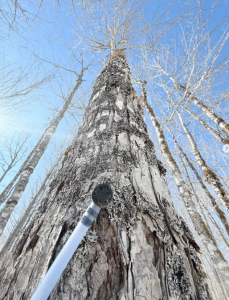 Fundy Maple demonstrates how working forests can be both productive and sustainable. Through thoughtful stewardship, research, and collaboration, we contribute to a healthier, more resilient landscape.
Forest Management
We apply best practices in sugar bush management to improve forest health and climate resilience. This includes maintaining species diversity, promoting strong tree growth, and adapting management approaches to the natural conditions of the forest.
Watershed Protection & Ecosystem Services
Situated near the Turtle Creek Reservoir, the sugar bush plays an important role in protecting water quality. This working forest helps regulate water flow, store carbon, and provide critical habitat.
Biodiversity Conservation
The Wabanaki–Acadian Forest is one of the most diverse forest regions in Canada. By protecting a variety of plant and animal species, Fundy Maple helps sustain healthy ecosystems that support both nature and people.
What Sustainable Forestry Protects
- Biodiversity of plant and animal life
- Wildlife habitat, including species at risk
- Soil health, watershed integrity, and fungal networks
- Areas of cultural and ecological significance
Why It Matters
Forests like the Fundy Maple sugar bush are powerful natural climate solutions. They act as carbon sinks, absorbing carbon dioxide and helping mitigate climate change. At the same time, sustainable forest management supports local economies by ensuring resources are used responsibly—meeting today’s needs without compromising future generations.
Looking Ahead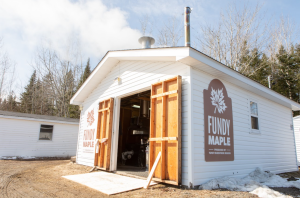
Fundy Maple continues to evolve as a model for sustainable forest management. The sugar bush forest management plan developed by University of New Brunswick Forestry & Environmental Management students plays a key role in guiding future actions. These efforts support the protection and enhancement of biodiversity, ecosystem services, and overall forest resilience.
By connecting people to the land and demonstrating sustainable practices in action, Fundy Maple shows how forests can be managed with care for today, and for generations to come.