Nature at Work: Ecosystem Services in the Fundy Biosphere Region
By: Fundy Biosphere Region
Fundy Biosphere Region is shaped by the relationship between land, water, wildlife, and people.Its forests, wetlands, rivers, coastal areas, and communities from a connected landscape in which nature supports everyday life. 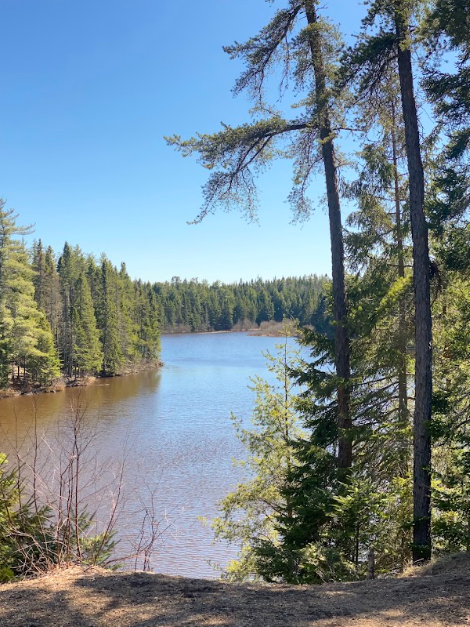
These ecosystems provide services that are easily overlooked, Wetlands hold and filter water, forests store carbon and support clean air, vegetation limits erosion, and healthy habitats support wildlife, food systems, recreation, and community well-being, These benefits are called ecosystem services.
Recognizing ecosystem services is an important part of protecting the region’s biodiversity. It also helps communities understand that natural areas are more than undeveloped land. They are part of the infrastructure that supports the Fundy region.
Connecting 30 by 30 to the Fundy Region
Canada has committed to conserving at least 30% of its terrestrial and inland water areas, and 30% of its coastal and marine areas by 2030. Known as 30 by 30, this national commitment is part of the Kunming-Montreal Global Biodiversity Framework and Canada’s broader effort to halt and reverse biodiversity loss (Environment and Climate Change Canada, 2024).
Canada’s 30 by 30 commitment is not based on area alone. This national strategy calls for conservation systems that are ecologically representative, connected, effectively managed, and equitably governed (Environment and Climate Change, 2024). It also recognizes Indigenous territories, Indigenous rights ecosystem functions and the role of Other Effective area-based Conservation Measures, commonly known as OECMs (Environment and Climate Change Canada, 2024).
The federal government’s more recent strategy, A Force of Nature: Canada’s Strategy to Protect Nature, builds on this commitment. It focuses on expanding protected areas, restoring habitats, supporting Indigenous leadership, and recognizing the environmental, social, and economic value of nature (Environment and Climate Change Canada, 2026).
 New Brunswick currently has approximately 10% of its land and freshwater protected. The province has committed to increasing its conservation lands and waters to 15% while working with First Nations, communities, and experts to develop a plan to reach 30% (Government of New Brunswick, 2026).
Fundy Biosphere Region has an important role to play in this work. More than 10% of its terrestrial lands are already conserved through Fundy National Park, National Wildlife Areas, provincial Nature Legacy protected areas, nature preserves, and OECMs. The region also works with partners to understand biodiversity, support sustainable land use, and protect the ecosystem services provided by its lands and waters.
Why WESP Assessments Matter
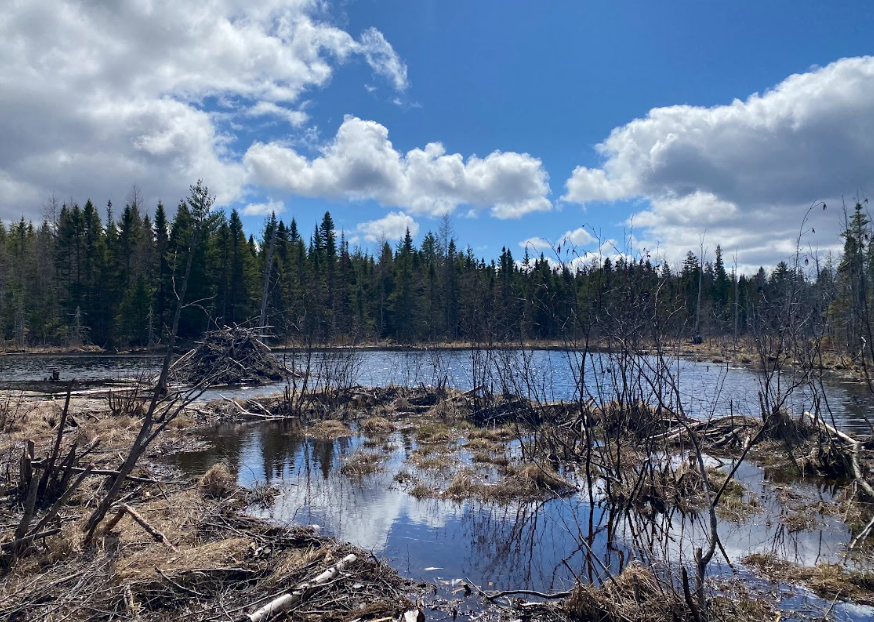
Wetlands are some of the hardest-working ecosystems in the Fundy region. They can store water during heavy rainfall, reduce flooding, filter pollutants, limit erosion, store carbon and provide habitat for wildlife.
The Wetland Ecosystem Services Protocol for Atlantic Canada, or WESP-AC, is a standardized method for assessing these functions and benefits. WESP helps us understand what a wetland is doing, not just where it is. Two wetlands may look similar on a map but provide very different services depending on their location surrounding land use, water movement, vegetation, and connection to other habitats. 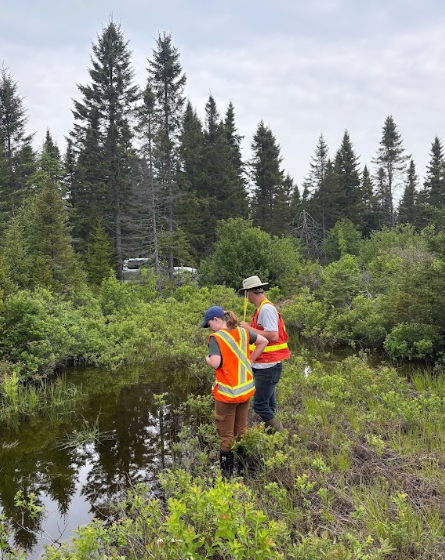
The WESP assessments completed within Fundy Biosphere Region provide information that can support conservation, climate adaptation, land-use planning, and community decisions. They can help identify wetlands that are particularly important for water quality, flood control, wildlife habitat, or other ecological services.
This is important when thinking about 30 by 30. It’s not just about counting hectares. It’s about making sure we protect places that are ecologically important, connected to the wider landscape, and meaningful to the communities around them.
From Knowledge to Community Stewardship
Understanding ecosystem services is only one part of conservation. Long-term success also depends on communities, organizations, businesses, and visitors recognizing their relationship with the region’s ecosystems.
Fundy Footsteps & Flavours provides one example of this regional collaboration. Through the Fundy Partnership*, it connects municipalities, community organizations, businesses, conservation partners, and UNESCO-designated sites around shared goals for environmental stewardship, community well-being, and sustainable economic development. Its website and Driftscape-powered map also help communicate the natural and cultural significance of places throughout the Fundy region (Friends of Fundy, n.d.-a).
The For the Love of Fundy Pledge offers a simple way for the public to participate. Its commitments include protecting water, respecting wildlife and habitats, supporting local communities, and reducing impacts on natural areas (Friends of Fundy, n.d.-b). These actions do not replace formal conservation, scientific assessment, or responsible land-use planning. Instead, they complement that work by encouraging a shared sense of responsibility for the landscapes and waters that sustain the Fundy Biosphere Region.
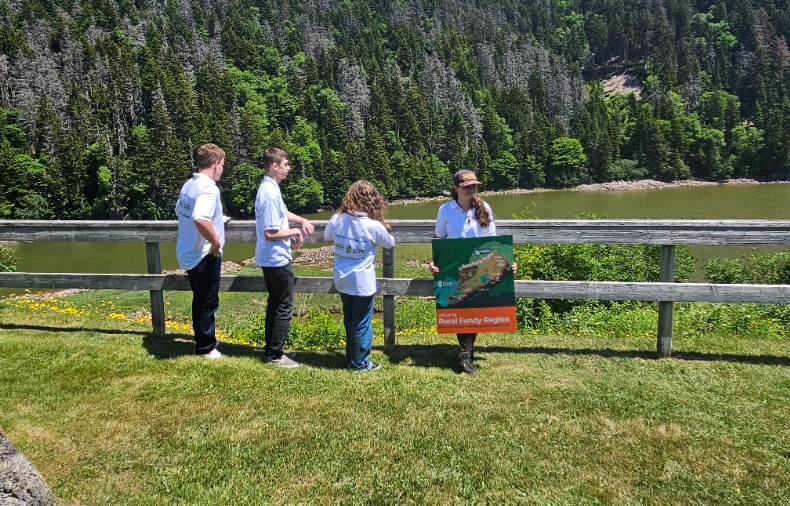 The Fundy Partnership is a collaborative regional stewardship network and overseer of the Fundy Footsteps & Flavours platform, coordinated and administered by its non-profit charitable partner, the Friends of Fundy / Fundy Guild Inc..
Looking Ahead
The 30-by-30 target can seem distant from everyday life, but the work needed to reach it is already happening locally.
WESP assessments are helping us better understand the region’s wetlands. Protected areas and OECMs are conserving important habitats. Fundy Footsteps & Flavours is helping visitors connect with the region in ways that support local communities and encourage responsible travel.
Together, these efforts make the value of nature easier to see. They also help ensure that decisions about Fundy’s lands and waters reflect the many ways these places support wildlife, communities, and future generations.
References:
Environment and Climate Change Canada. (2024). Canada’s 2030 nature strategy: Halting and reversing biodiversity loss in Canada. Government of Canada. https://www.canada.ca/en/environment-climate-change/services/biodiversity/canada-2030-nature-strategy.html
Environment and Climate Change Canada. (2026, April 24). A force of nature: Canada’s strategy to protect nature. Government of Canada. https://www.canada.ca/en/environment-climate-change/news/2026/04/a-force-of-nature-canadas-strategy-to-protect-nature.html
Friends of Fundy. (n.d.-a). Fundy Footsteps & Flavours: Explore and experience the Fundy region. https://www.fundyfootstepsflavours.ca/
Friends of Fundy. (n.d.-b). Pledge. Fundy Footsteps & Flavours. https://www.fundyfootstepsflavours.ca/pledge
Friends of Fundy. (n.d.-c). The work. Fundy Footsteps & Flavours. https://www.fundyfootstepsflavours.ca/the-work
Government of New Brunswick. (n.d.). Wetlands. https://www.gnb.ca/en/topic/environment-resources/water/wetlands.html
Government of New Brunswick. (2026, June 12). Environment. https://www2.gnb.ca/content/gnb/en/corporate/promo/government-priorities/environment.html