Fundy Biosphere Pollinator Garden Takes Root:
This summer, our partner Veolia, an environmental and sustainability manager of water infrastructure in the Turtle Creek Watershed, supported the creation of a native pollinator garden at its site within Fundy Biosphere Region.
The garden covers 40 square metres, or about 431 square feet, and includes 129 plants representing 17 native species. It was created to provide a place where bees, butterflies, hummingbirds, and other pollinators can find food, shelter, and habitat throughout the growing season.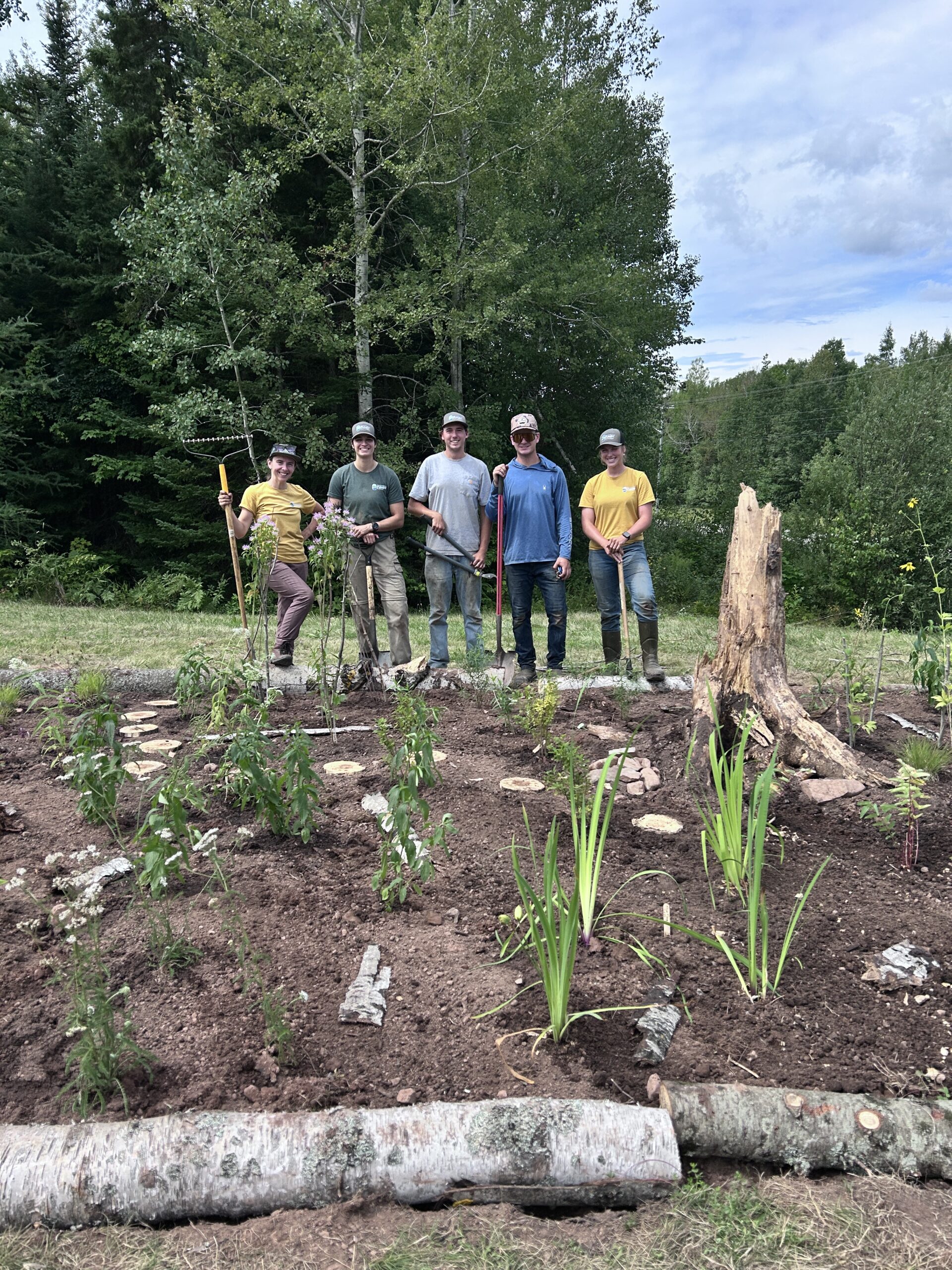
Why Pollinators Matter
Pollinators are an important part of healthy ecosystems. They move pollen between flowering plants, enabling many plants to reproduce and produce fruits and seeds, supporting the regeneration of plant communities and providing food and habitat for wildlife. . This includes native wildflowers, trees, shrubs, and many important food crops.
Pollinators also support other wildlife. Birds, for example, rely on insects and plants for food, so protecting pollinator habitat can help support the larger ecosystem around it.
Many pollinators are losing places to find food and shelter as natural areas are developed or changed. Even small habitat spaces can help fill some of those gaps. Adding native plants to places where people work, live, and visit is one practical way to create more opportunities for pollinators to feed, nest, and reproduce.
A Garden Designed as Habitat
At first glance, a pollinator garden may look like a collection of flowers. In reality, it is meant to do much more. It is a compact habitat space designed around the needs of local wildlife.
The plants provide nectar and pollen, while the garden’s structure gives insects and other animals places to feed, rest, shelter, and move through the site. It is a way to make part of a developed property more useful for wildlife without taking away from its appearance or day-to-day use.
 Native Plants for a Longer Growing Season
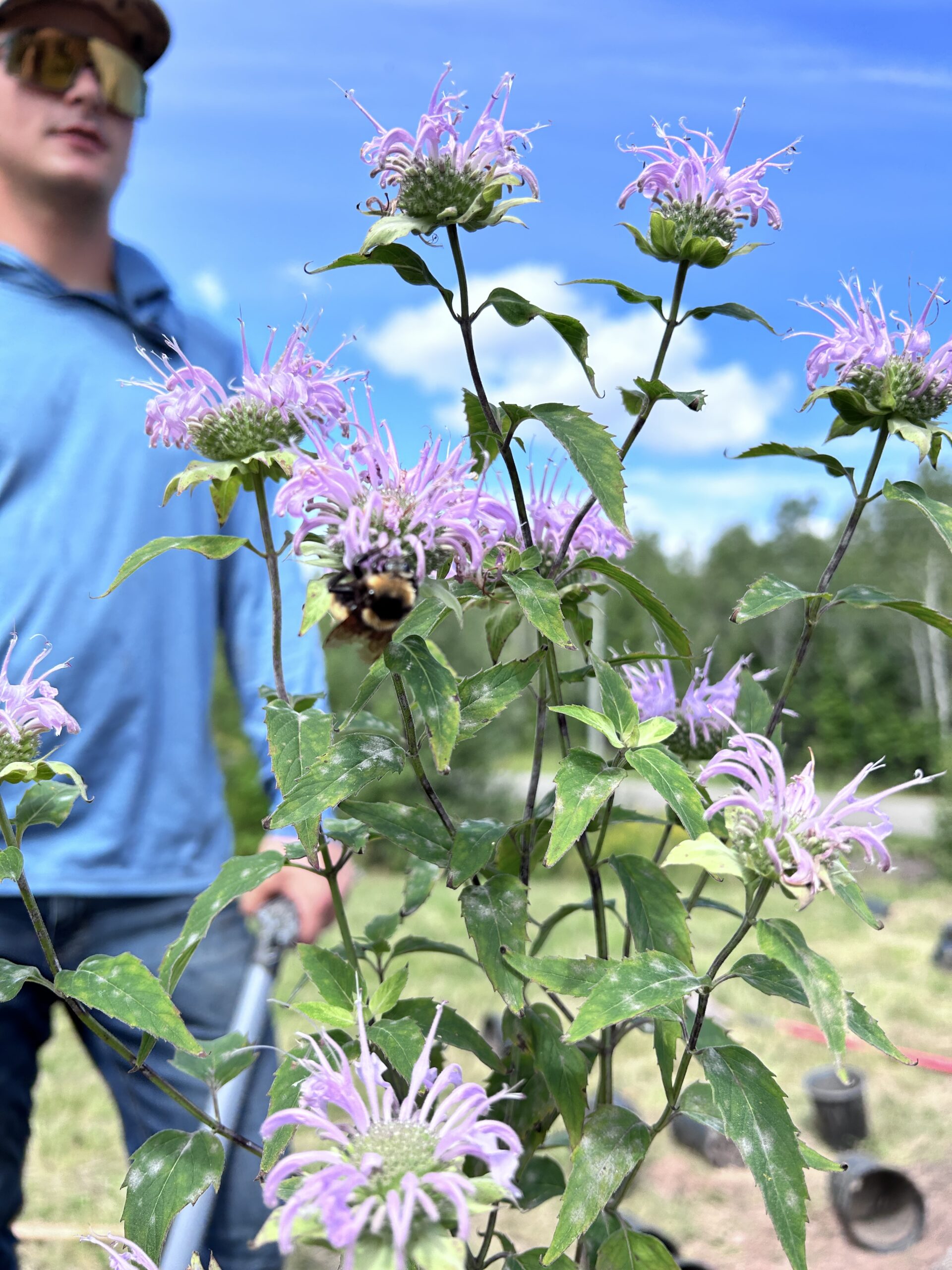
The Veolia garden was designed using native species that grow well in this region and provide benefits for local wildlife. It includes plants such as wild strawberry (Fragaria virginiana), yarrow (Achillea millefolium), blue flag iris (Iris versicolor), zigzag goldenrod (Solidago flexicaulis), New York aster (Aster novi-belgii), and swamp milkweed (Asclepias incarnata). These native plants provide valuable habitat and food sources for local pollinators and other wildlife.
The mix of species was chosen to ensure flowering plants at different points during the season. This matters because pollinators need food from spring through fall, not only during one short period when a particular flower is blooming. Early, mid-season, and late-blooming species help provide a more reliable source of nectar and pollen as the growing season changes.
Some of the species included in the garden have particularly important roles. Swamp milkweed is a host plant for monarch butterflies. Monarchs lay their eggs on milkweed, and their caterpillars feed on the plant after they hatch which makes this species a critical habitat component. Goldenrod and asters can provide valuable late-season food for bees, butterflies, and other insects when many other flowers have finished blooming.
More Than Flowers
The garden includes more than plants. Dead logs and rock piles were incorporated into the design to provide additional structure for shelter and habitat. These features give insects and other small wildlife places to hide, rest, and overwinter. They can also help hold water in the garden and add natural structure to the site.
Additionally logs, from Wabanaki forest species, in various stages of decay were used to border the garden. This acts as a natural barrier to ensure the chosen native species in the garden will flourish and succeed and not be outcompeted by the non-native species in the surrounding environment. These logs also help retain moisture and will contribute to the nutrient cycle to support the continued growth of the plants in the garden.
This is part of what makes a pollinator garden different from a traditional ornamental planting. A garden can be attractive while still being designed to support wildlife. The variety of plants, flowers, stems, leaves, logs, and rocks all have a purpose. Together, they create a space that is more useful for pollinators and other species than a lawn or planting made up of only one or two types of flowers.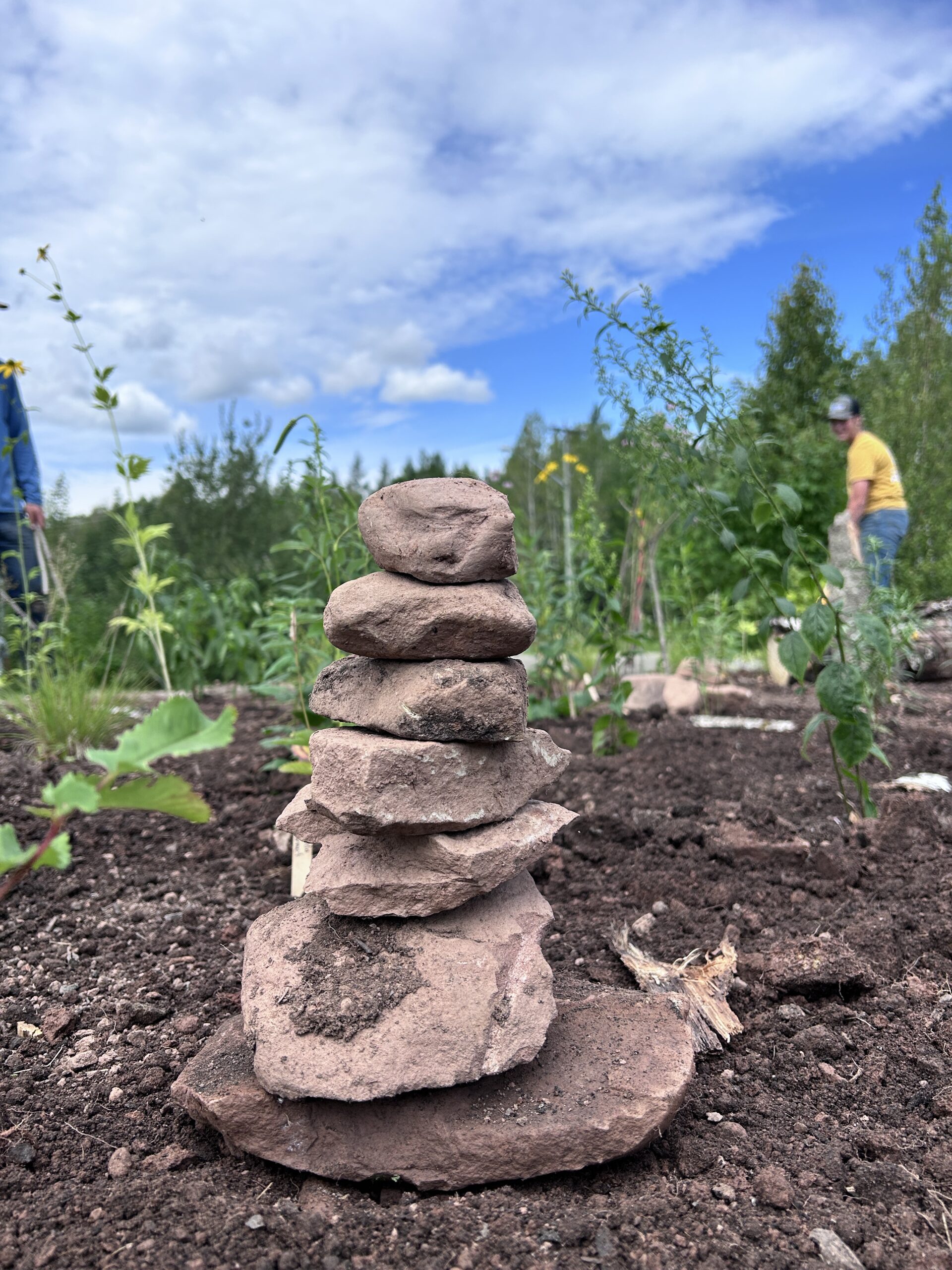
A Practical Biodiversity Action
For Veolia, the project is a visible example of biodiversity action on site. It adds a habitat feature to the property, but it also gives staff and visitors something they can see and learn from. It shows that environmental stewardship can be built into everyday decisions about landscaping and site maintenance.
The garden will continue to change as the plants grow, flower, and establish themselves. Over time, it will provide an increasingly established space for pollinators, insects, birds, and other wildlife.
Veolia’s support made this project possible. The garden is a lasting example of how native planting can provide benefits for pollinators, wildlife, and the local environment while creating a more resilient and purposeful site.
Interested in creating or enhancing pollinator habitat? Reach out to us at [email protected] to learn more about practical steps, share ideas, and explore opportunities to support pollinators in your community.