Celebrating International Day for Biosphere Reserves:
November 3rd marks the International Day for Biosphere Reserves, a chance to celebrate the places and people showing how communities can thrive while caring for nature. Here at Fundy Biosphere Region, it is also an opportunity to reflect on the work happening close to home and thank everyone helping make it possible.
Our work brings together four connected pillars: conservation, sustainable development, research and education, and reconciliation. From restoring forests to creating opportunities for people to learn from one another, these pillars help guide our projects and partnerships.
Conservation: Caring for the places that sustain us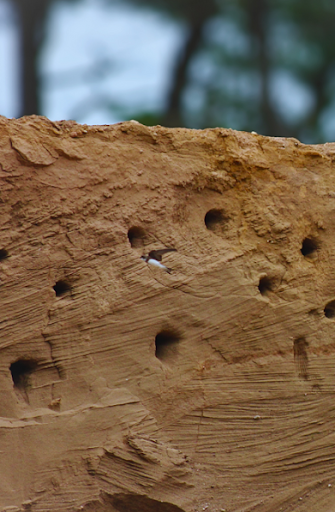
Protecting nature starts with understanding the value of the places around us. In September 2026, approximately 3,768 hectares of land owned and managed by the City of Moncton received recognition for their long-term contribution to biodiversity conservation. This milestone followed several years of work initiated by Fundy Biosphere Region in partnership with the City and the Province of New Brunswick.
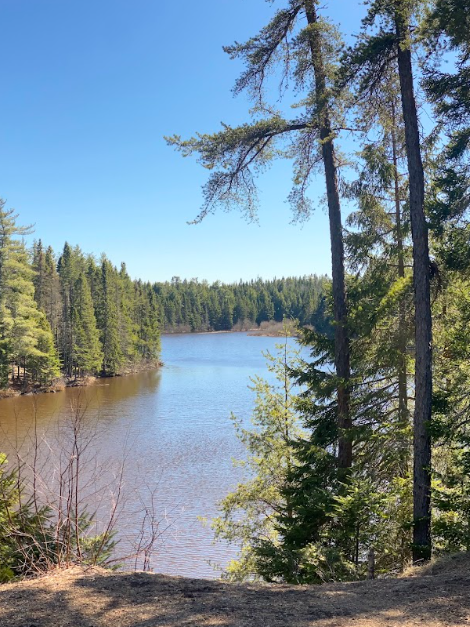
The recognized areas include Irishtown Nature Park, Mapleton Park, the Turtle Creek Watershed, Humphreys Brook Trail and Wilson Marsh. Many are familiar places where people walk and enjoy time outdoors. They also provide important habitat and help protect the forests, wetlands and waterways our communities depend on.
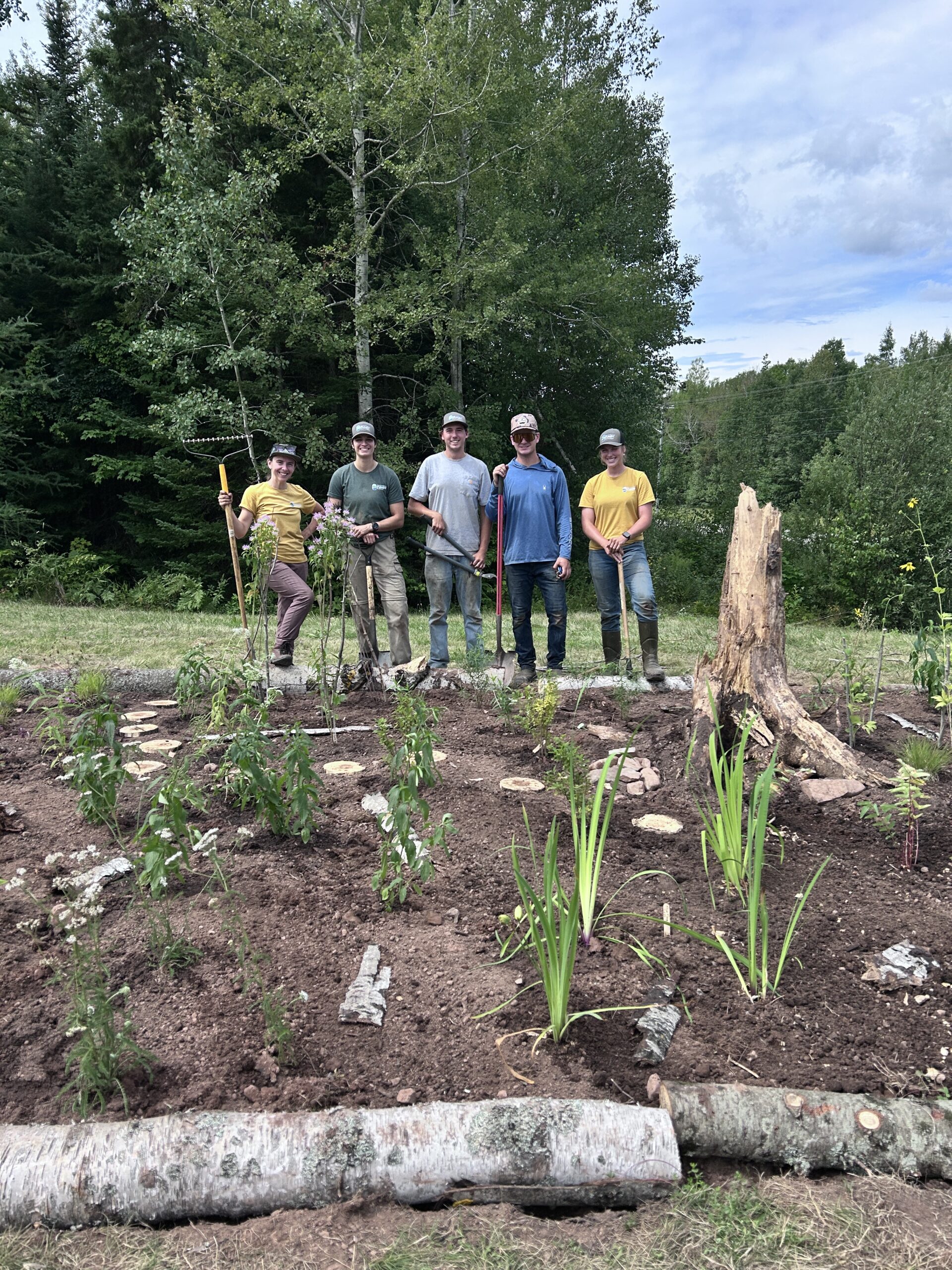
Restoration is another important part of this work. In 2025, our Forests of the Future program planted 50,000 trees to support habitat restoration, watershed health and climate resilience.
Sustainable development: Putting responsible practices to work
Sustainable development means finding ways to meet community needs while caring for the land and resources that support us. Fundy Maple offers a practical example of how this can work.
Since taking over Moncton’s Maple Sugar Camp in 2023, we have combined maple syrup production with responsible forest management and opportunities for public learning. Our forestry team’s work includes selective thinning, habitat protection and maintaining the sugar bush. Students from the University of New Brunswick have also developed a forest management plan to help guide decisions about the site.
Visitors can see these connections firsthand through guided tours that explain both maple production and the importance of a healthy forest. It is a familiar local tradition with plenty to teach us about caring for a working landscape.
 Research and education: Learning about Fundy together
Research helps us understand what is happening across the region and where our efforts are needed. In 2025, we completed 30 wetland ecosystem services assessments and eight carbon inventories. We also launched a Bank Swallow monitoring program, collecting baseline information about this species at risk along Fundy’s coastal cliffs. These projects help build the knowledge needed for conservation and land management decisions.
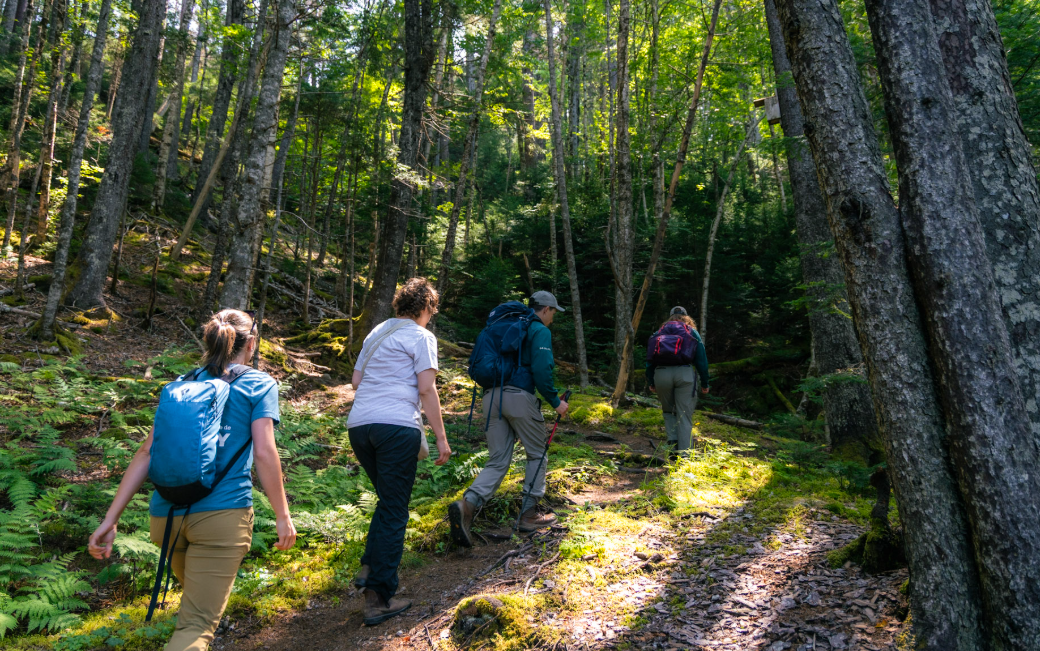
Sharing knowledge with the community is just as important. In 2026, we co-hosted Ocean Week Fundy with Stonehammer UNESCO Global Geopark. The celebration featured 22 events, giving people across New Brunswick and Nova Scotia opportunities to explore their connections to marine and freshwater environments. Shoreline cleanups, guided walks, workshops and hands-on activities brought learning into the places where people live and spend time.
Reconciliation: Building relationships and making space for learning
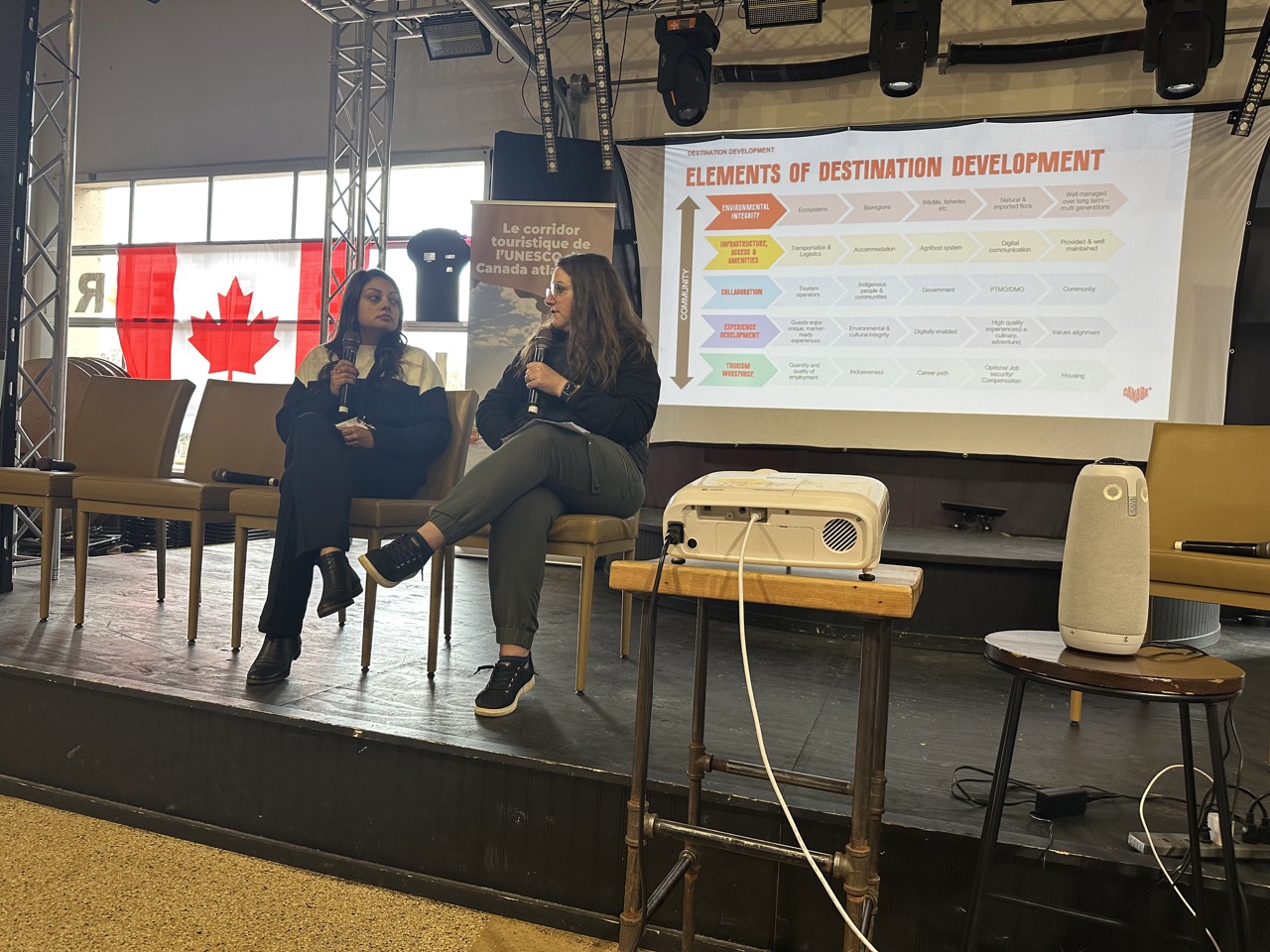
Reconciliation requires ongoing attention to relationships, listening and the ways decisions are made. One opportunity to learn together came through “Meeting by the Bay,” the national gathering we co-hosted with Stonehammer Geopark in October 2025.
The gathering brought together representatives from Canada’s UNESCO Biosphere Regions, Geoparks and Atlantic World Heritage Sites. Elder Chris Brooks of Sitansisk and Elder Donna Augustine of Elsipogtog offered openings and reflections, while sessions included discussions about reconciliation in practice. Indigenous knowledge holders, scientists and community leaders shared perspectives on caring for places and supporting local priorities.
These exchanges reinforced the importance of ensuring that Indigenous voices are central to planning and stewardship. Continuing to build respectful relationships remains part of the work ahead.
Looking ahead with the Hangzhou Strategic Action Plan
These local efforts connect with a wider international direction. UNESCO’s Hangzhou Strategic Action Plan guides its Man and the Biosphere Programme and the World Network of Biosphere Reserves from 2026 to 2035.
The plan calls for stronger action on biodiversity and climate, closer cooperation between biosphere regions, and more research, education and knowledge-sharing. It also emphasizes the participation of Indigenous Peoples, local communities and young people. For Fundy Biosphere Region, these priorities connect closely with the work already taking place through our four pillars.
On this International Day for Biosphere Reserves, we thank the partners, volunteers, researchers, landowners, educators and community members who contribute to this work. Every project depends on people willing to share their time, knowledge and care for this region.
Learn more about the International Day for Biosphere Reserves and explore Fundy Biosphere Region’s programs.